Peace Between Israel and Lebanon Must Be Built Between People, Not Only Governments
In a region defined by political conflict, religious differences and deep historical wounds, it is easy to believe that peace can only be achieved in government offices and diplomatic negotiating rooms. Those rooms matter. Governments must address security, borders, political agreements and other difficult questions.
But there is another level of peacebuilding that is equally essential—and too often overlooked: the work of building trust between people.
Through my work with the Abraham Women’s Alliance, I have learned that women can play a unique role in creating these human connections. Women often bring people together not first as Israelis or Lebanese, Muslims or Jews, Christians or political opponents, but as mothers, daughters, professionals, neighbors and human beings.
When women sit together, share their personal experiences, and recognize one another’s humanity, the conversation can move from “What separates us?” to “What can we do together?”
That does not mean women are inherently more peaceful, nor does it mean they can replace traditional diplomacy. Rather, women often operate in the communities and institutions where relationships are formed: families, schools, businesses, faith communities, civil society and the media. These are precisely the places where trust can take root.
I have seen this firsthand.
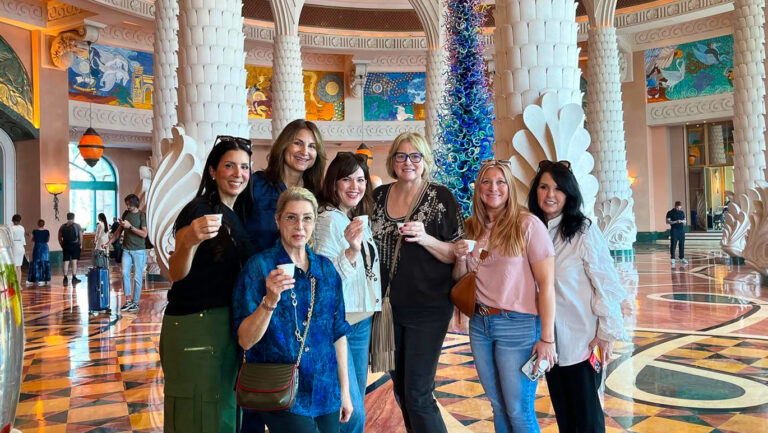
At an Abraham Women’s Alliance seminar in Beirut, we brought together women from different faiths and backgrounds during a period of profound uncertainty and tension. We could have begun with political positions. Instead, we began with personal stories.
Participants spoke about their fears, their hopes, their families and what peace meant to them. We focused on values that crossed political and religious boundaries: dignity, security, faith, family and the desire for our children to have a better future.
The most powerful trust-building exercise was also the simplest: listening to one another without judgment.
No one was asked to surrender her identity or change her political beliefs. No one had to pretend that painful differences did not exist. The goal was to understand the person sitting across the table.
That experience reinforced a lesson I have carried with me ever since: trust does not require agreement; it requires the willingness to remain in relationship despite disagreement.
This is particularly important when we consider the relationship between Lebanon and Israel.
Dialogue alone will not resolve the political conflict between them. But without human relationships, even political progress can be difficult to sustain. Peace requires diplomacy at the political level and trust at the human level.
That means creating opportunities for people to encounter one another beyond the headlines.
An Israeli woman should have the opportunity to hear the story of a Lebanese woman. A Lebanese woman should have the opportunity to hear the story of an Israeli woman. They do not have to persuade one another. They do not have to agree. But they can begin to understand the experiences, fears and hopes that have shaped each other’s lives.
Understanding does not erase disagreement. It humanizes it.
Yet conversation cannot be the final destination. We must move from dialogue to cooperation.
Women can work together on issues that matter to families and communities regardless of political differences: education, economic opportunity, women’s leadership, humanitarian concerns, environmental challenges, protection of families and prevention of violence.
When people accomplish something together, even something small, they begin to see one another differently. The person who was once viewed only through the lens of conflict can become a colleague, a partner or a friend.
That is how relationships change.
And relationships matter because peace is not a single event. A political agreement may be signed in one day, but sustainable peace is built over years.
It requires networks that continue after the conference ends. It requires friendships, partnerships, mentorship and joint initiatives. It requires people who remain willing to communicate when the political environment becomes difficult.
There will always be moments when trust is tested. Regional crises can reopen wounds and make cooperation seem impossible. Those are precisely the moments when human relationships become most important.
For me, hope is not simply optimism.
Hope is an act of leadership.
It is the decision to believe that what we do today can contribute to a different reality tomorrow. We cannot always control what governments do. We cannot determine the decisions of political leaders or the course of regional events.
But we can create relationships.
We can strengthen women’s voices.
We can provide spaces for listening.
We can teach the next generation that difference does not have to mean division.
And we can build bridges that may, over time, make political peace more possible.
The role of women in peacebuilding should therefore not be viewed as symbolic or secondary. Women should be present at the tables where peace and security are discussed, but their contribution must extend beyond those tables. They can connect governments with communities, faith with civil society, and political dialogue with the everyday human relationships on which lasting peace depends.
Ultimately, sustainable peace requires more than an agreement between governments. It requires people who are prepared to live with difference, protect human dignity and maintain relationships across lines of identity.
If we want sustainable peace between Lebanon and Israel, we must build peace not only between governments, but between people. And women must be at the center of that work.
Peace begins with the courage to listen.
It grows through cooperation.
And it becomes possible when we choose, again and again, to remain in relationship—even when we disagree.
But there is another level of peacebuilding that is equally essential—and too often overlooked: the work of building trust between people.
Through my work with the Abraham Women’s Alliance, I have learned that women can play a unique role in creating these human connections. Women often bring people together not first as Israelis or Lebanese, Muslims or Jews, Christians or political opponents, but as mothers, daughters, professionals, neighbors and human beings.
When women sit together, share their personal experiences, and recognize one another’s humanity, the conversation can move from “What separates us?” to “What can we do together?”
That does not mean women are inherently more peaceful, nor does it mean they can replace traditional diplomacy. Rather, women often operate in the communities and institutions where relationships are formed: families, schools, businesses, faith communities, civil society and the media. These are precisely the places where trust can take root.
I have seen this firsthand.
At an Abraham Women’s Alliance seminar in Beirut, we brought together women from different faiths and backgrounds during a period of profound uncertainty and tension. We could have begun with political positions. Instead, we began with personal stories.
Participants spoke about their fears, their hopes, their families and what peace meant to them. We focused on values that crossed political and religious boundaries: dignity, security, faith, family and the desire for our children to have a better future.
The most powerful trust-building exercise was also the simplest: listening to one another without judgment.
No one was asked to surrender her identity or change her political beliefs. No one had to pretend that painful differences did not exist. The goal was to understand the person sitting across the table.
That experience reinforced a lesson I have carried with me ever since: trust does not require agreement; it requires the willingness to remain in relationship despite disagreement.
This is particularly important when we consider the relationship between Lebanon and Israel.
Dialogue alone will not resolve the political conflict between them. But without human relationships, even political progress can be difficult to sustain. Peace requires diplomacy at the political level and trust at the human level.
That means creating opportunities for people to encounter one another beyond the headlines.
An Israeli woman should have the opportunity to hear the story of a Lebanese woman. A Lebanese woman should have the opportunity to hear the story of an Israeli woman. They do not have to persuade one another. They do not have to agree. But they can begin to understand the experiences, fears and hopes that have shaped each other’s lives.
Understanding does not erase disagreement. It humanizes it.
Yet conversation cannot be the final destination. We must move from dialogue to cooperation.
Women can work together on issues that matter to families and communities regardless of political differences: education, economic opportunity, women’s leadership, humanitarian concerns, environmental challenges, protection of families and prevention of violence.
When people accomplish something together, even something small, they begin to see one another differently. The person who was once viewed only through the lens of conflict can become a colleague, a partner or a friend.
That is how relationships change.
And relationships matter because peace is not a single event. A political agreement may be signed in one day, but sustainable peace is built over years.
It requires networks that continue after the conference ends. It requires friendships, partnerships, mentorship and joint initiatives. It requires people who remain willing to communicate when the political environment becomes difficult.
There will always be moments when trust is tested. Regional crises can reopen wounds and make cooperation seem impossible. Those are precisely the moments when human relationships become most important.
For me, hope is not simply optimism.
Hope is an act of leadership.
It is the decision to believe that what we do today can contribute to a different reality tomorrow. We cannot always control what governments do. We cannot determine the decisions of political leaders or the course of regional events.
But we can create relationships.
We can strengthen women’s voices.
We can provide spaces for listening.
We can teach the next generation that difference does not have to mean division.
And we can build bridges that may, over time, make political peace more possible.
The role of women in peacebuilding should therefore not be viewed as symbolic or secondary. Women should be present at the tables where peace and security are discussed, but their contribution must extend beyond those tables. They can connect governments with communities, faith with civil society, and political dialogue with the everyday human relationships on which lasting peace depends.
Ultimately, sustainable peace requires more than an agreement between governments. It requires people who are prepared to live with difference, protect human dignity and maintain relationships across lines of identity.
If we want sustainable peace between Lebanon and Israel, we must build peace not only between governments, but between people. And women must be at the center of that work.
Peace begins with the courage to listen.
It grows through cooperation.
And it becomes possible when we choose, again and again, to remain in relationship—even when we disagree.